It’s just one of those days: a Tuesday evening in Wembley. A 12-year-old logs on to a video call for her weekly online singing lesson. Her teacher, several time zones away in Mumbai, starts the lesson as always. A steady note on the tanpura drone and the instruction to listen before singing a note back.
This scenario has become increasingly common across the UK’s Indian diaspora. Today, with over two million people of Indian origin living in the UK, the British Indian community is the single largest visible ethnic minority in the country. For many of these families, the option to learn music online is the most durable one. It connects their children born in the UK to the heritage their parents carried across the ocean.
For decades, this kind of cultural transmission was limited to physical proximity: a local teacher, a community hall, a weekend class squeezed between school and homework. India’s cultural institutions have long identified this work abroad with institutions like the ICCR, which historically supported arts instructors as informal bridges to the diaspora, helping communities rediscover music and traditions they feared losing.
What’s changed is the geography and the technology. Today, students no longer need a teacher in the same city or even the same country. With advancements in technology, they can just learn music online. All they need is a reliable connection and the patience to sit still and listen. This positive shift has turned music teachers/educators into everyday cultural ambassadors. They carry Indian traditions into living rooms worldwide.
Indian classical music, particularly Hindustani classical, is now more famous than ever. More families are choosing to learn online rather than go without a teacher altogether. The guru-shishya parampara, the tradition on which this art form developed, is now naturally being carried forward via video calls. In London, institutions like The Bhavan Centre have long hosted Hindustani classical training for young/old aspirants led by expert teachers. Many of these students go on to lead their own ensembles at concerts blending classical, folk and spiritual repertoire. Since then, much of that teaching has gone online and many families prefer that for the flexibility it offers.
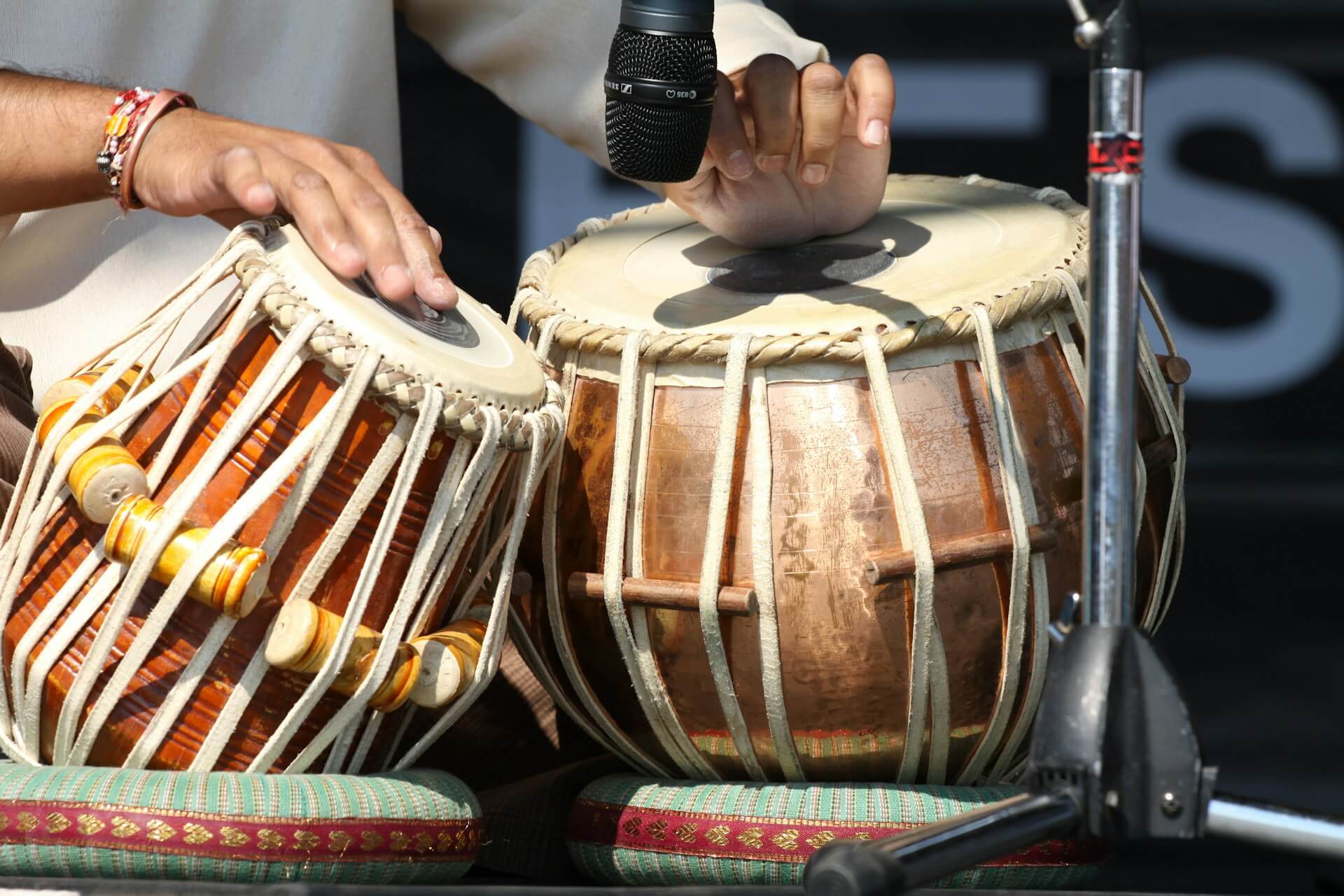
This monumental change has led to the rise of online music-learning platforms. Now, an aspirant in the UK can learn music online with teachers based in India, without limitations like commute or geographical distance. Online Hindustani classical music classes, once a niche offering, have become a real growth area, alongside vocal training, film music and instruments like the tabla and harmonium. One such platform is Artium Academy. Inducted into Time magazine’s top 350 EdTech companies of 2025, Artium has connected diaspora students in London and worldwide with India-based instructors through live, one-to-one lessons. The informal nature of this movement is worth noting. None of the teachers teaching on these platforms were appointed as ambassadors. They are all working professionals based in India who spend their days and nights guiding students worldwide through a raga or through a first tabla rhythm. Now, multiply that by thousands of similar lessons every week, and you’ll see the pattern emerge: culture traveling through small, patient, weekly appointments rather than grand gestures.
As it grows in popularity, more families are choosing to learn music online. They are not letting distance dictate what they or their children learn. The work of cultural continuity has now shifted from institutions to individuals. Now, teachers logging in from Mumbai, Delhi or Bangalore sit at the centre of that continuity, no matter how unofficial the title is. Platforms like Artium Academy, along with other longstanding community institutions, are spearheading how this continuity travels. And to be clear, it is not through embassies or grand programming, but through a shared screen, a tanpura drone, and a teacher patient enough to say, once again, “let’s start with the notes.”