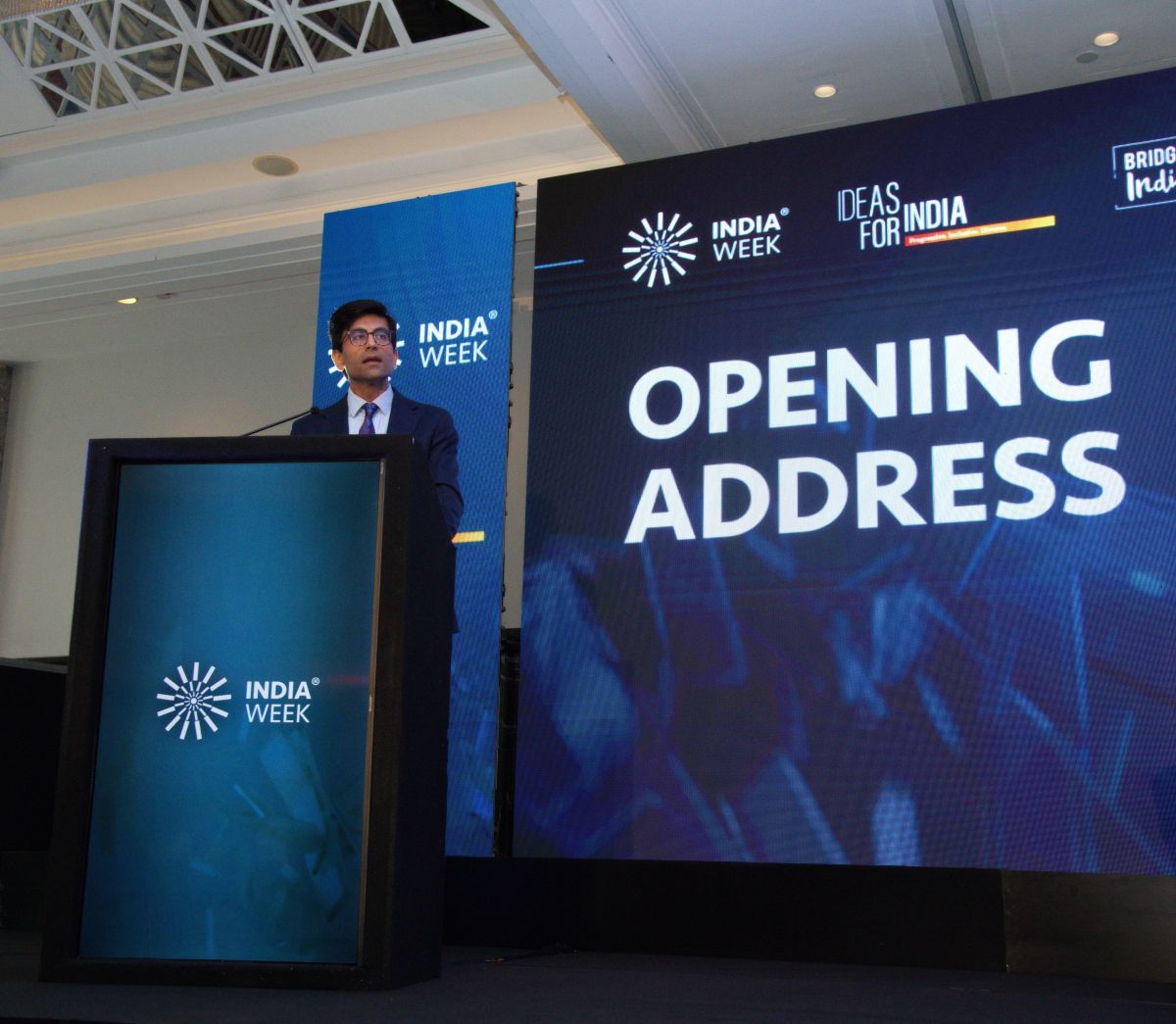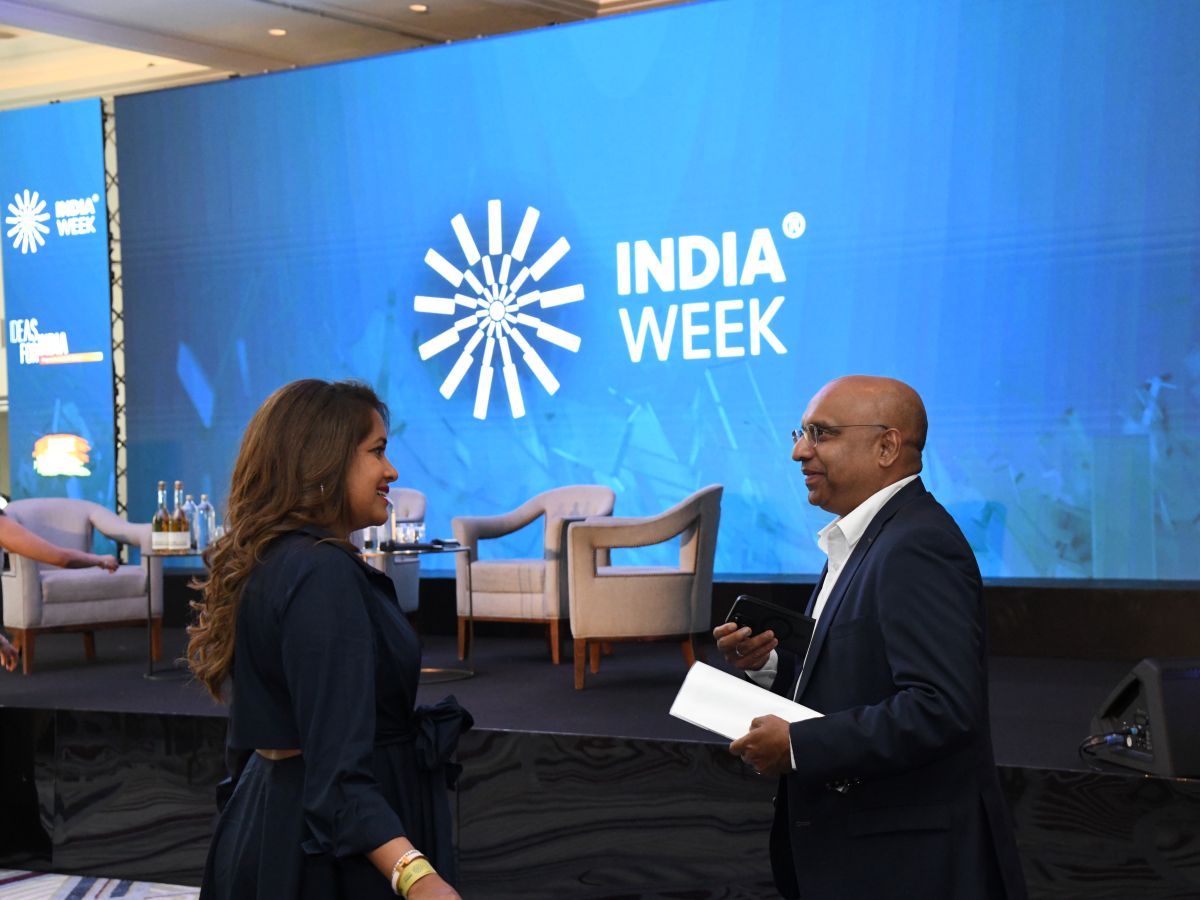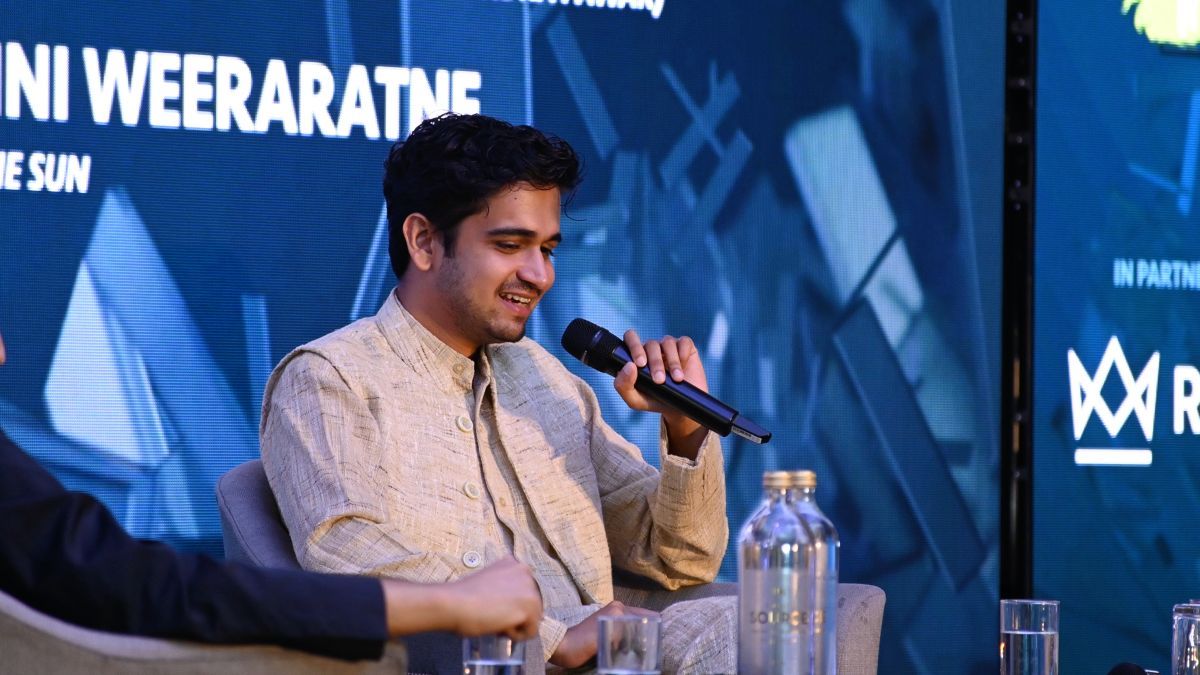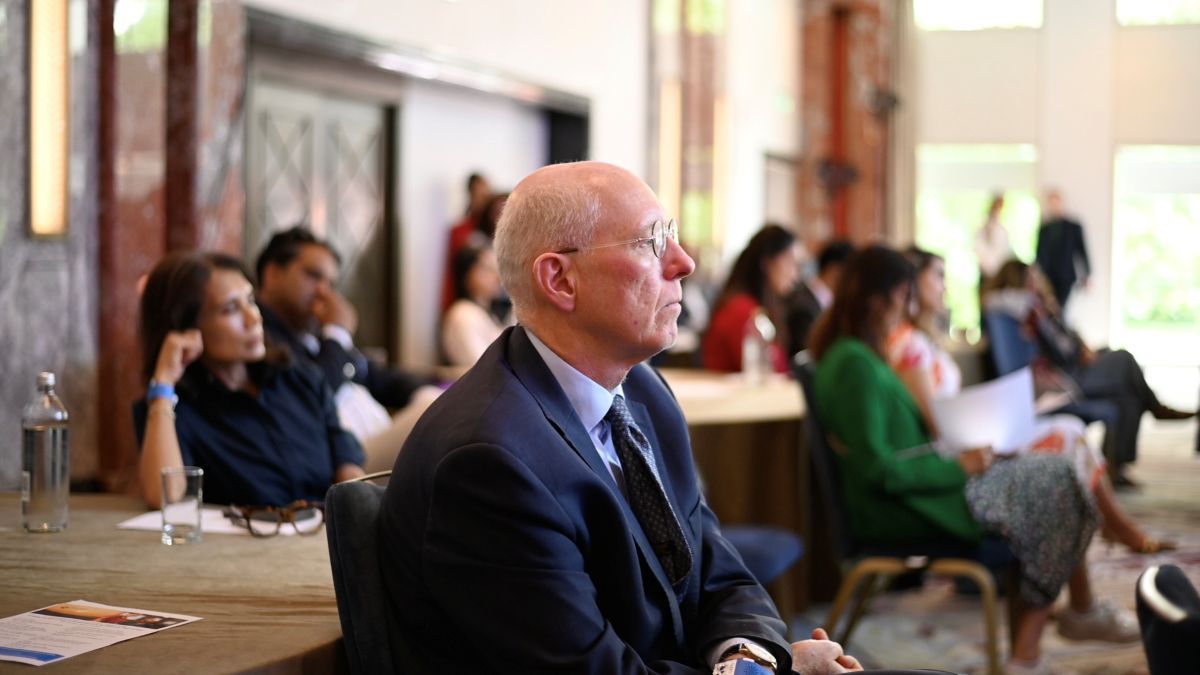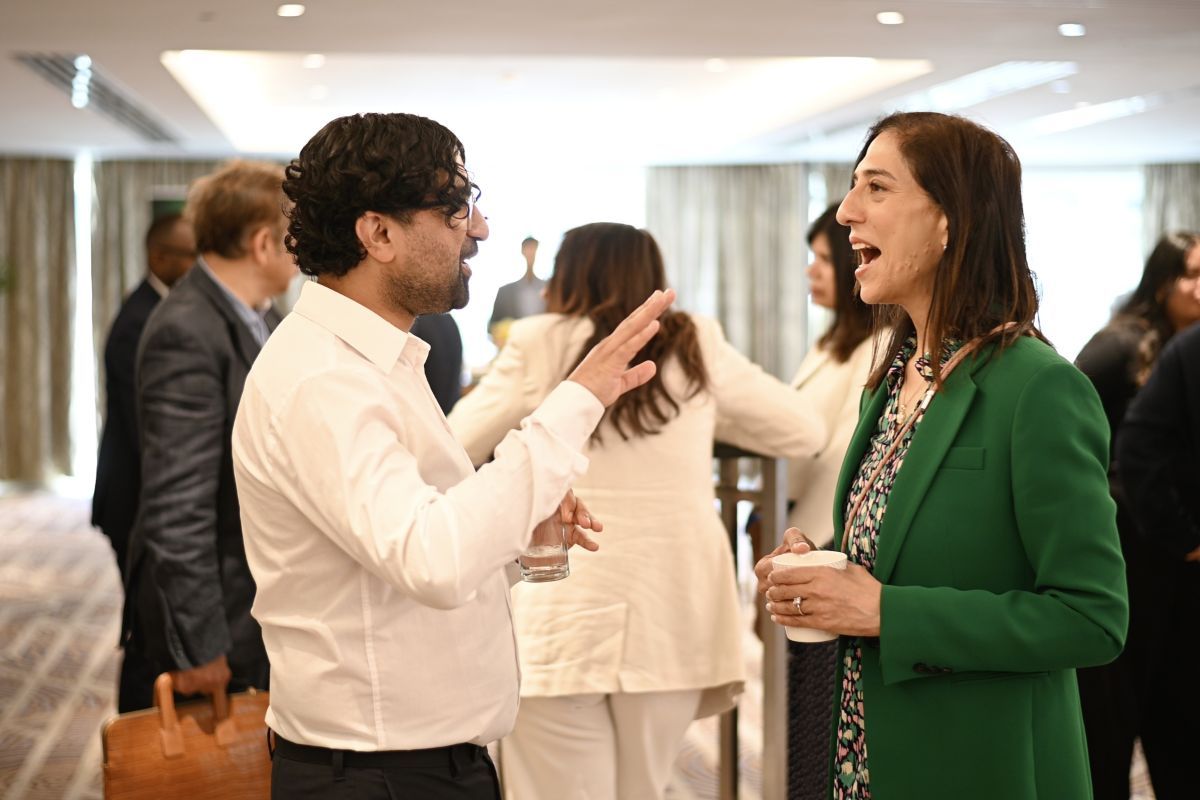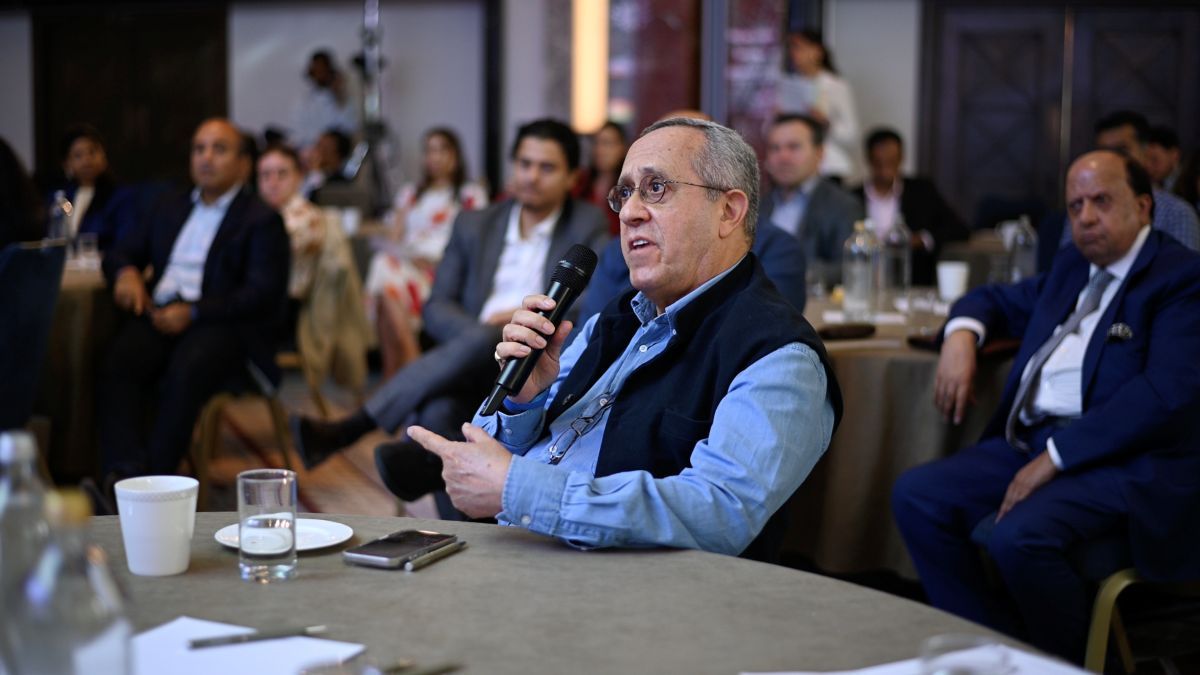
Bridge India firmly established its reputation as the pre-eminent, independent platform for UK-India dialogue, after the successful conclusion of its flagship annual Ideas for India® conference.
What makes Ideas for India distinct from other forums is that it is non-partisan, curated independently and engages leaders across business, tech, media, academia and elsewhere.
A recent article in Foreign Affairs challenged the assumption that India’s regional leadership has been a stabilising force and asked whether New Delhi’s choices have instead helped create openings for China across South Asia. A discussion for Carnegie explored how the “India Out” phenomenon in countries from Nepal to the Maldives is enabling China to jostle into a more advantageous geopolitical position.
India’s role in a changing global order
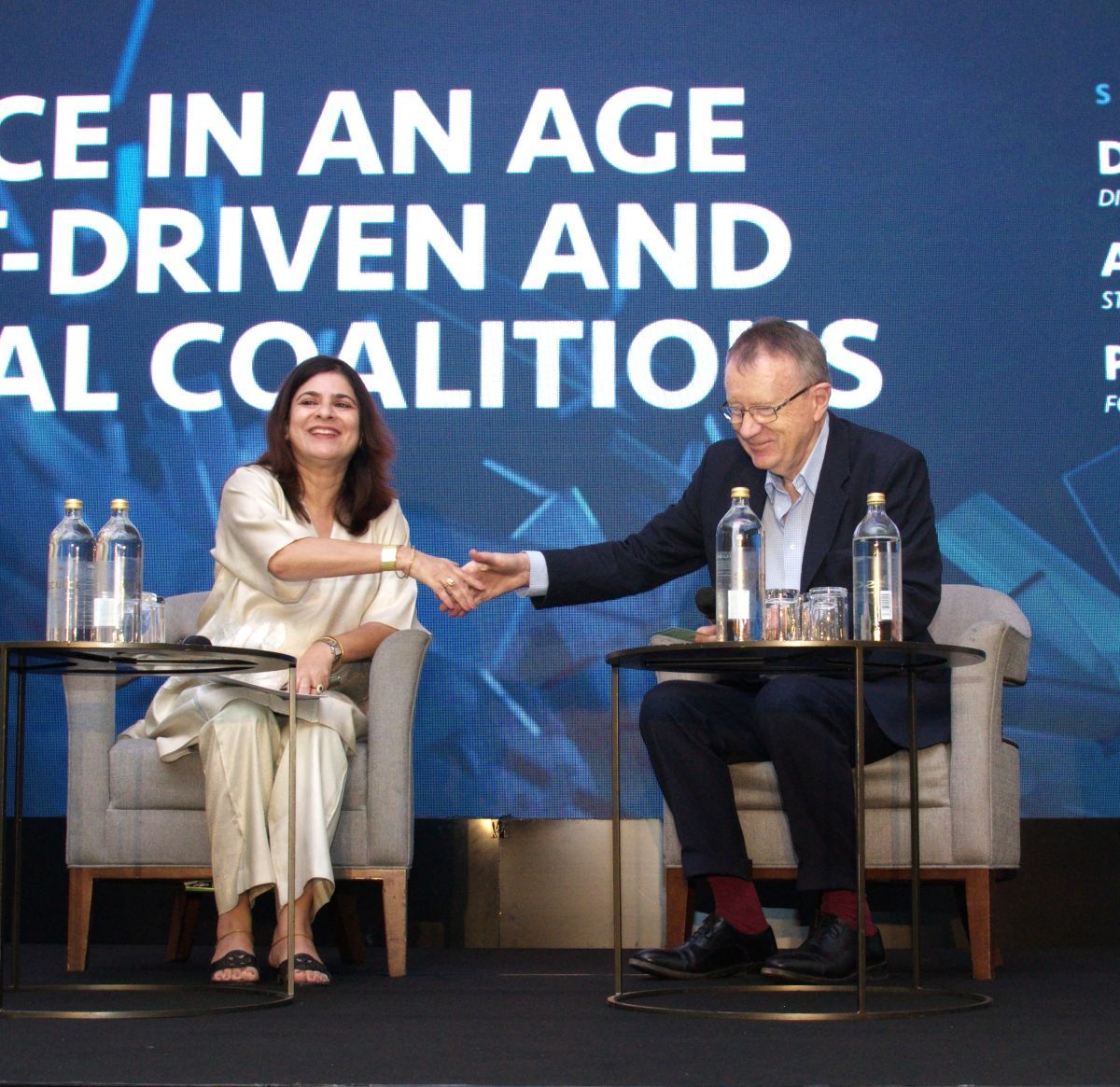
The conference discussed India’s place in a multipolar world, where Dr John Jemmings from the centre-right Henry Jackson Society said that China has made real inroads into India’s backyard, without a successful pushback from India.
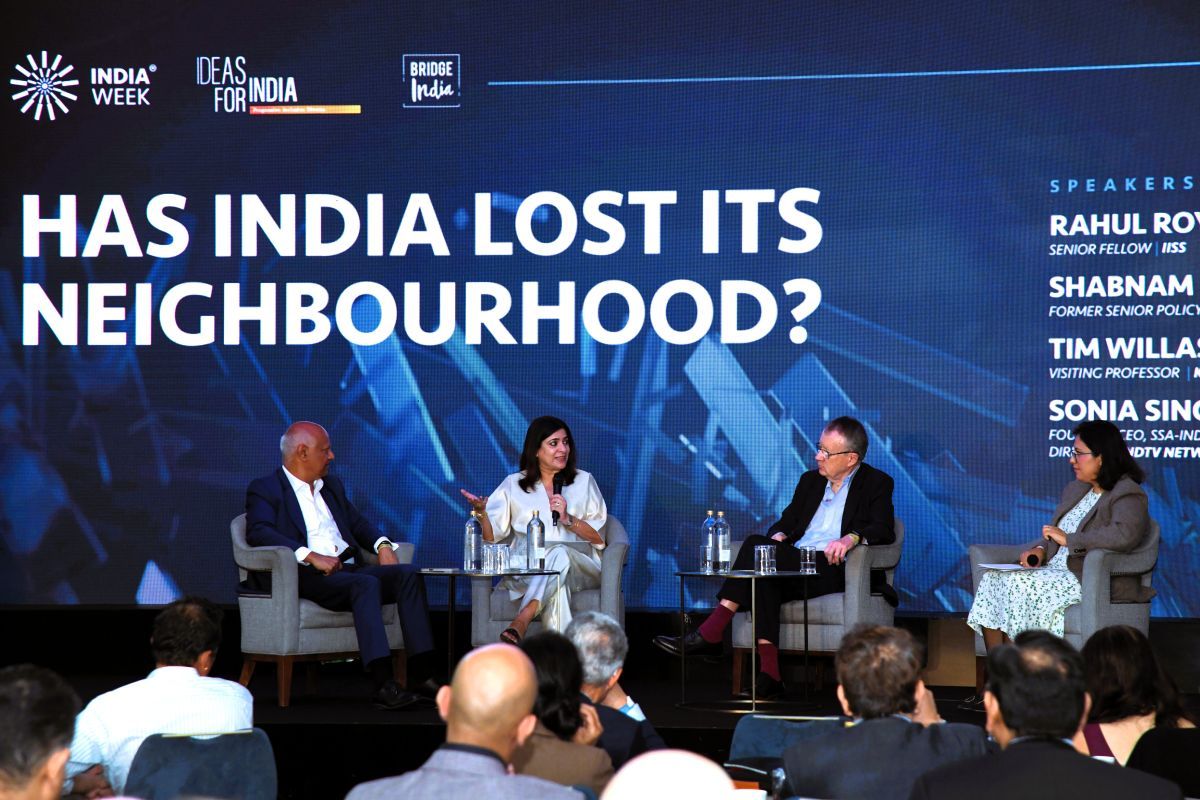
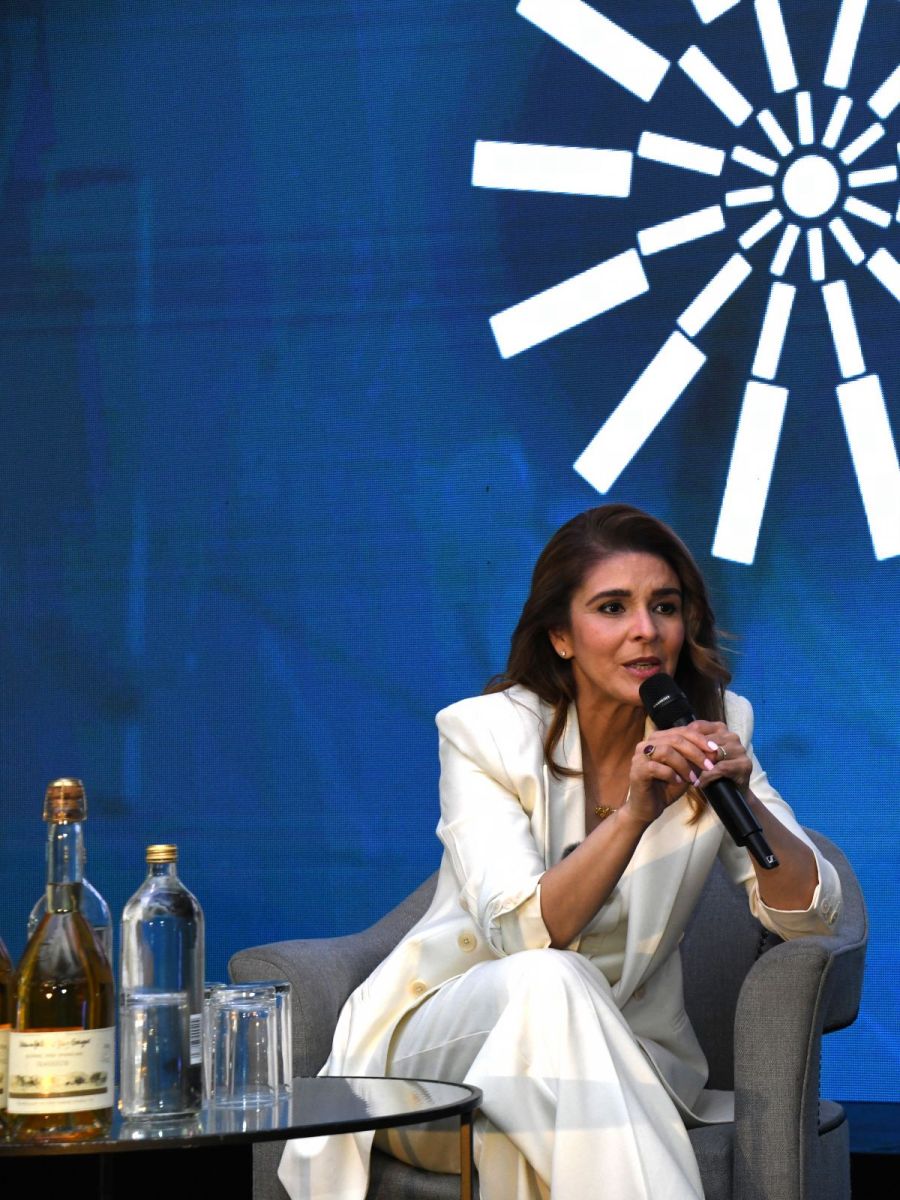
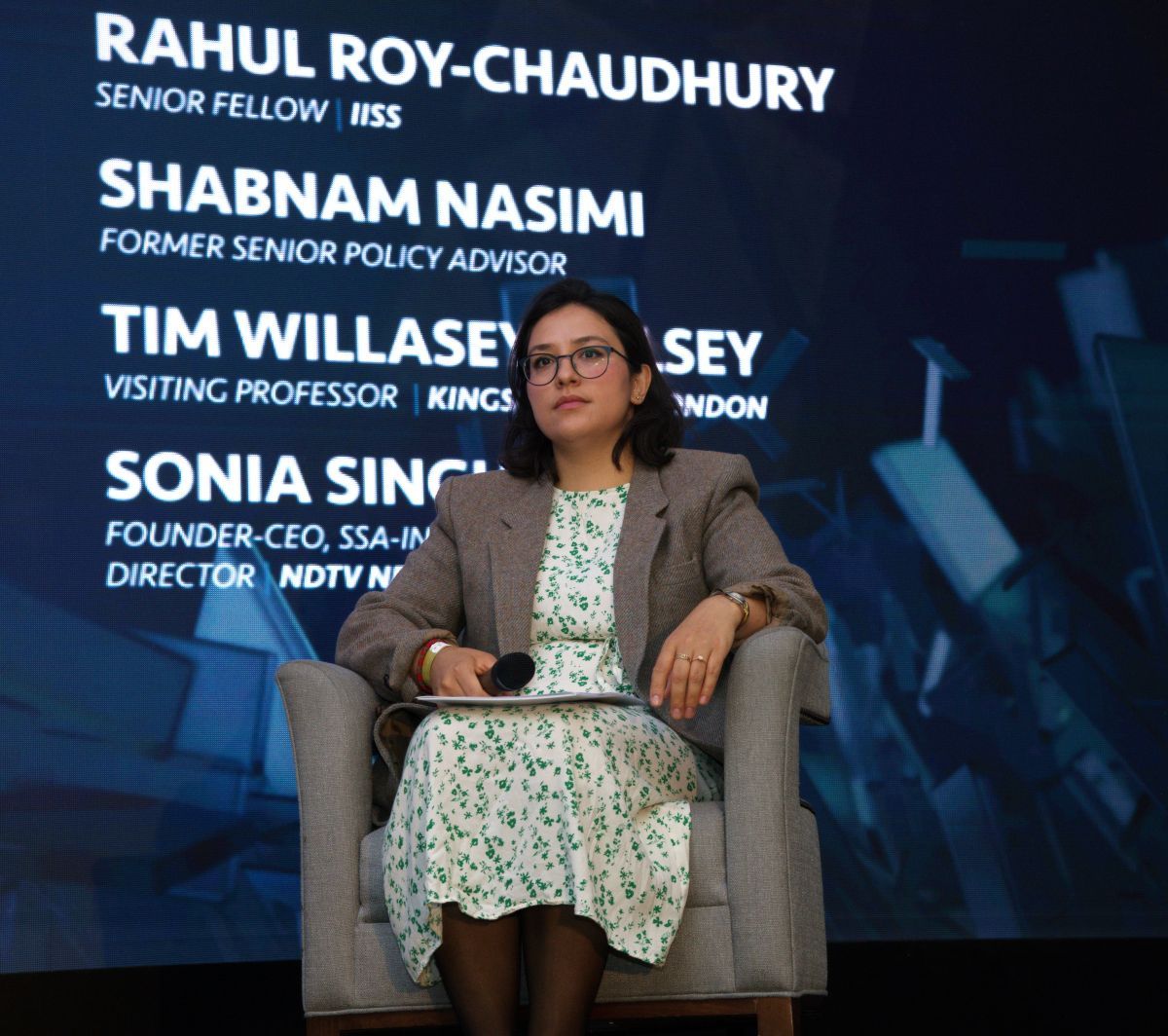
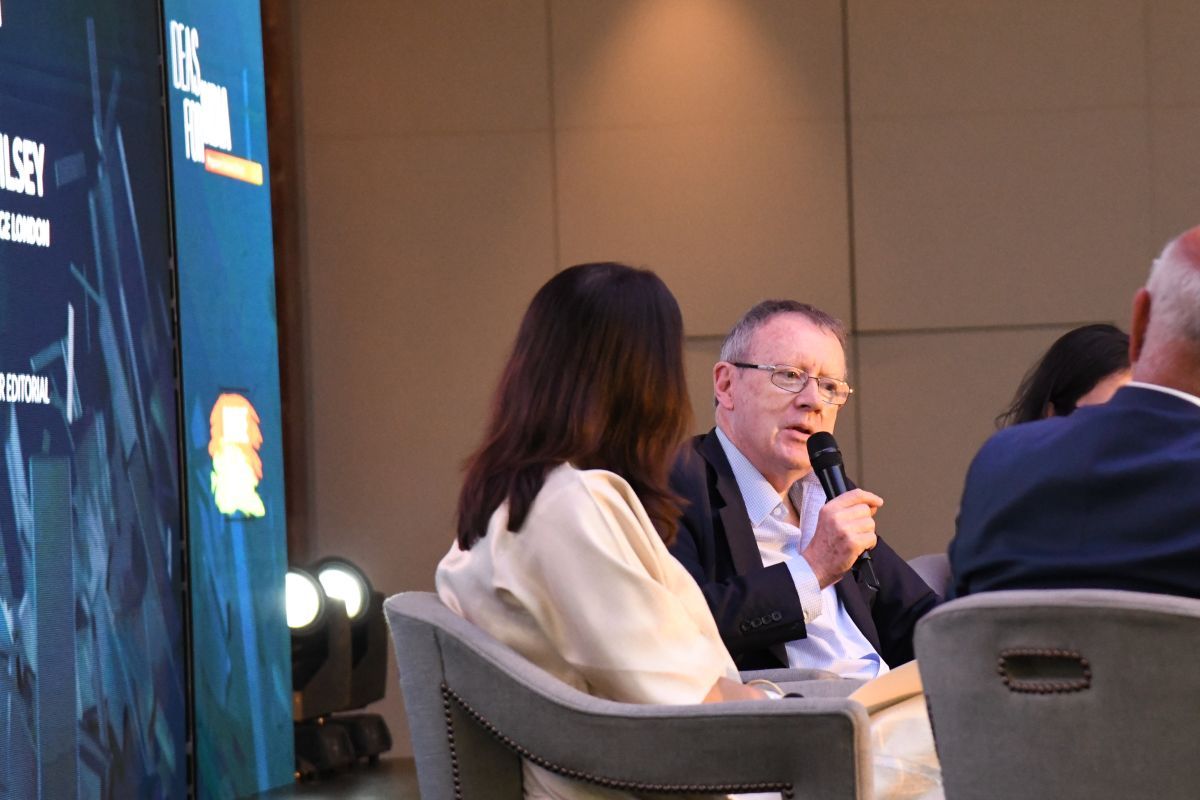
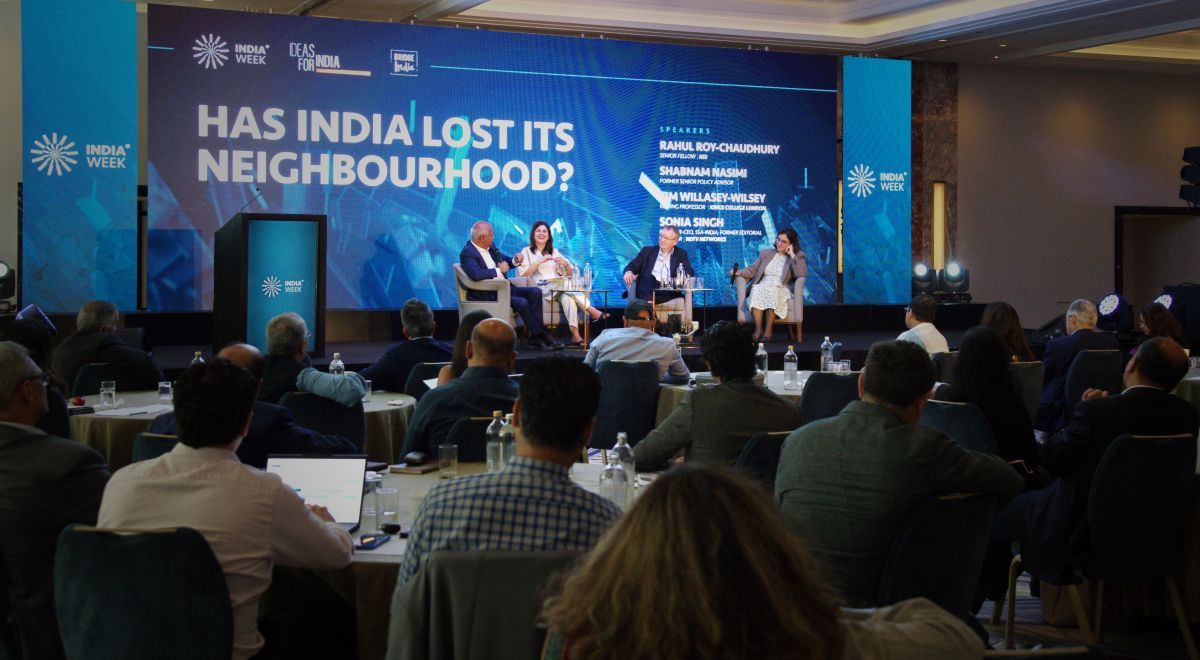
A session on India’s relationship with its neighbours built on such topics, featuring former NDTV Executive Editor Sonia Singh, Shabnam Nasimi (social activist and writer), Tim Willasey-Wilsey CMG (author, academic and former diplomat) and Rahul Roy-Chaudhury (Senior Fellow, South and Central Asian Defence, Strategy and Diplomacy, IISS).
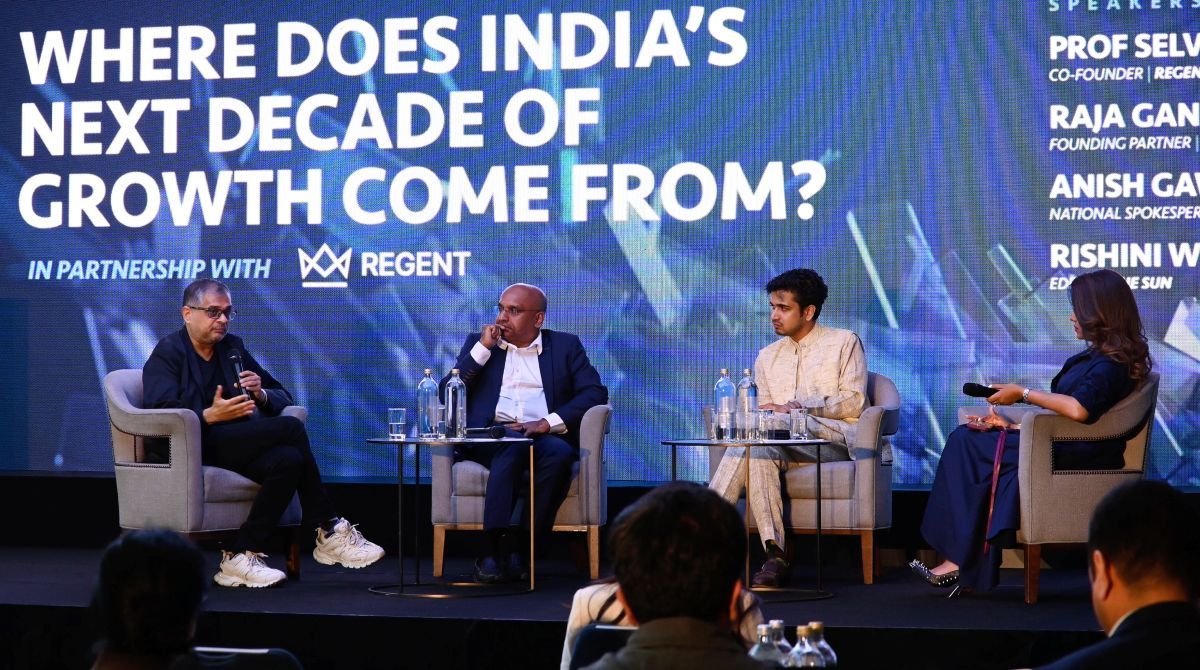
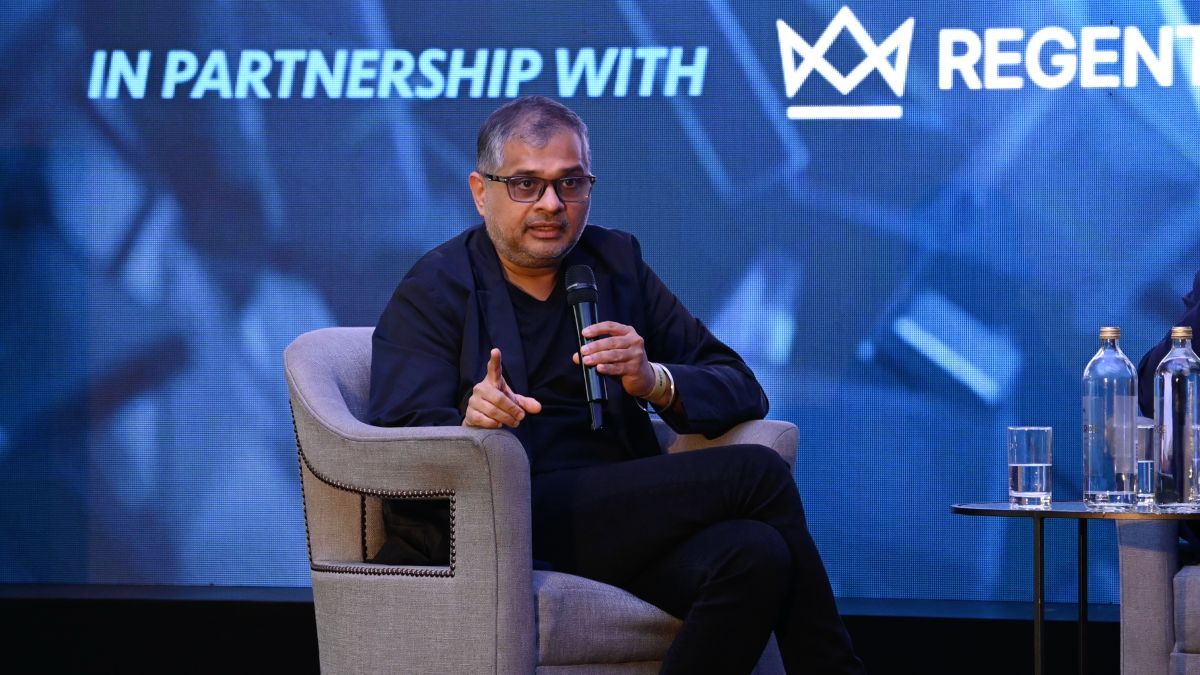
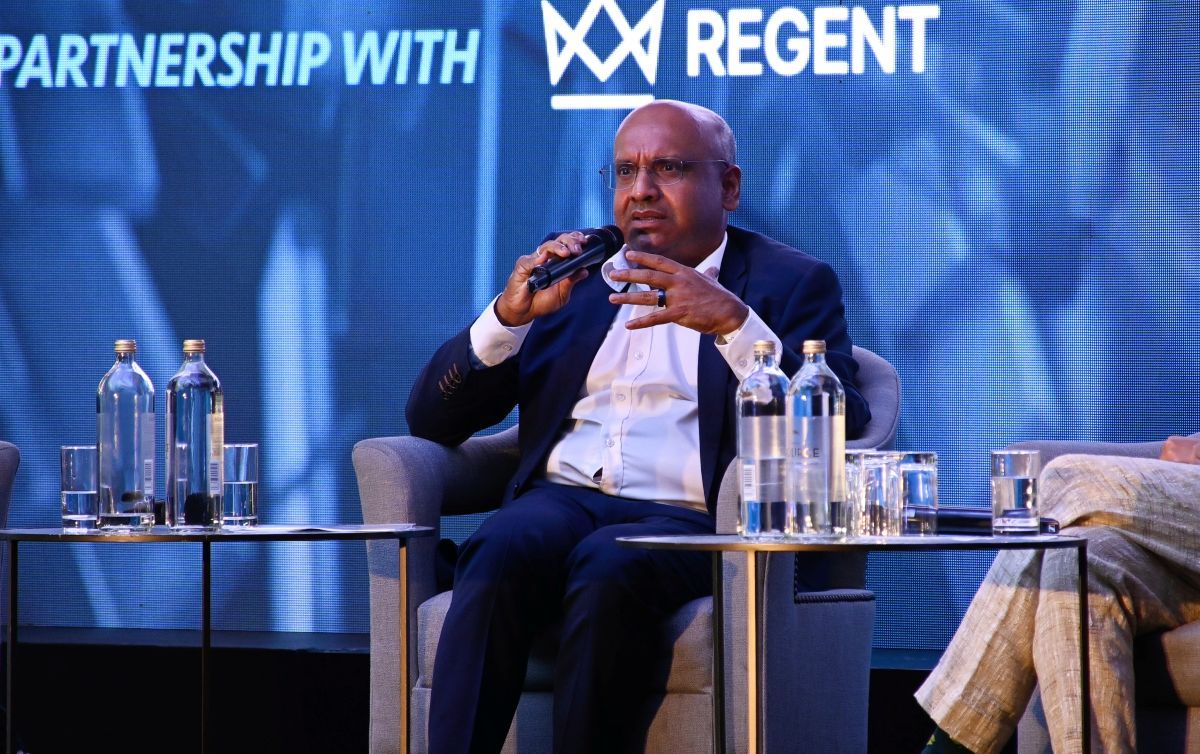
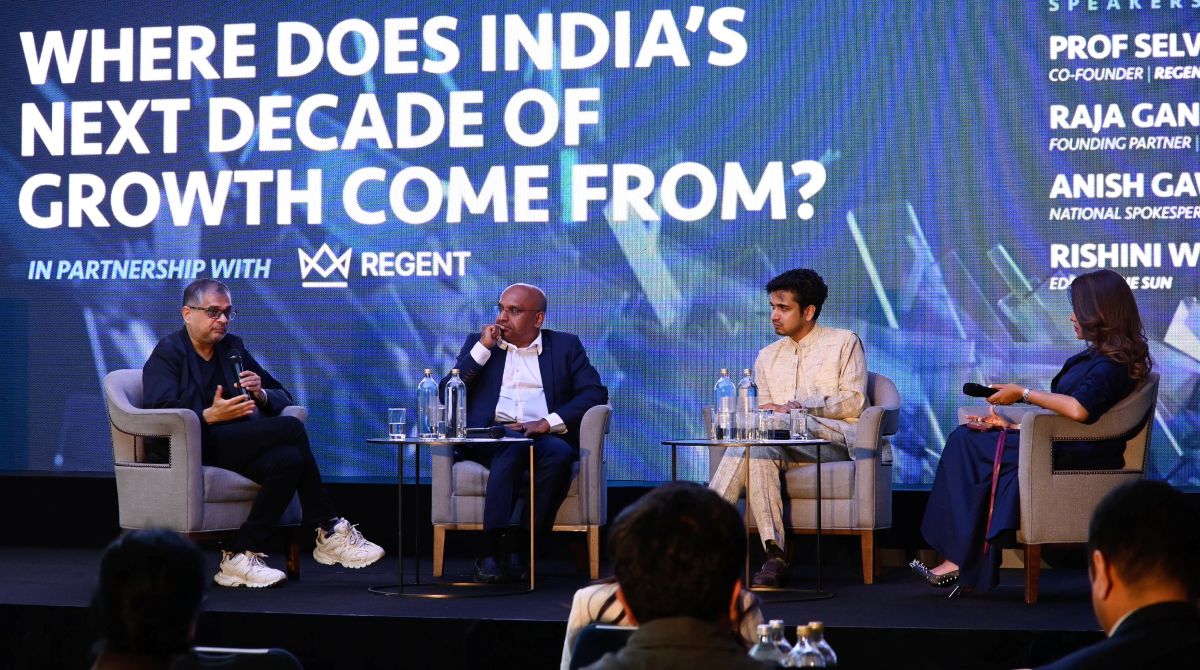
Prof Selva Pankaj from Regent Group, Raja Ganapathy (Founding Partner, Spring Marketing Capital), Anish Gawande (National Spokesperson, Nationalist Congress Party (Sharadchandra Pawar)) and others discussed where India’s economic growth over the next ten years would come from. While India continues to be the fastest growing major economy in the world, real risks are emerging in the wake of the recent conflict in the Middle East. Reuters said in April this year that Reliance Industries’ latest financials offered the clearest signal yet on how the Iran war was rippling through the real economy. Mukesh Ambani, CEO of India’s biggest company by market value, flagged an “unprecedented dislocation in global supply chains.” At the same time, India faces US tariff and trade deal belligerence, AI is impacting jobs in India, manufacturing as a proportion of GDP has stayed flat for the last decade and private sector investment remains lacklustre.
Business, entrepreneurship and soft power
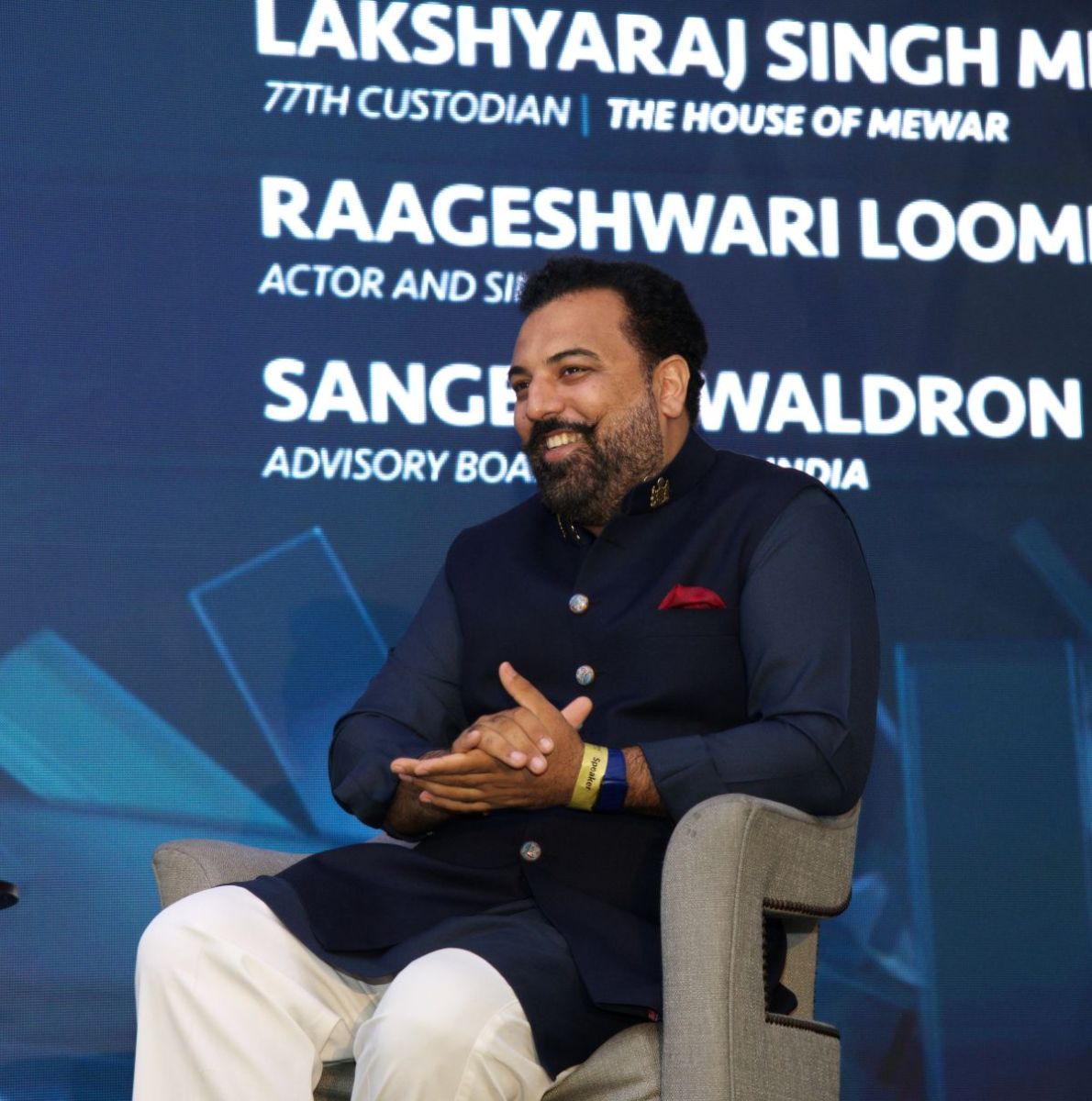
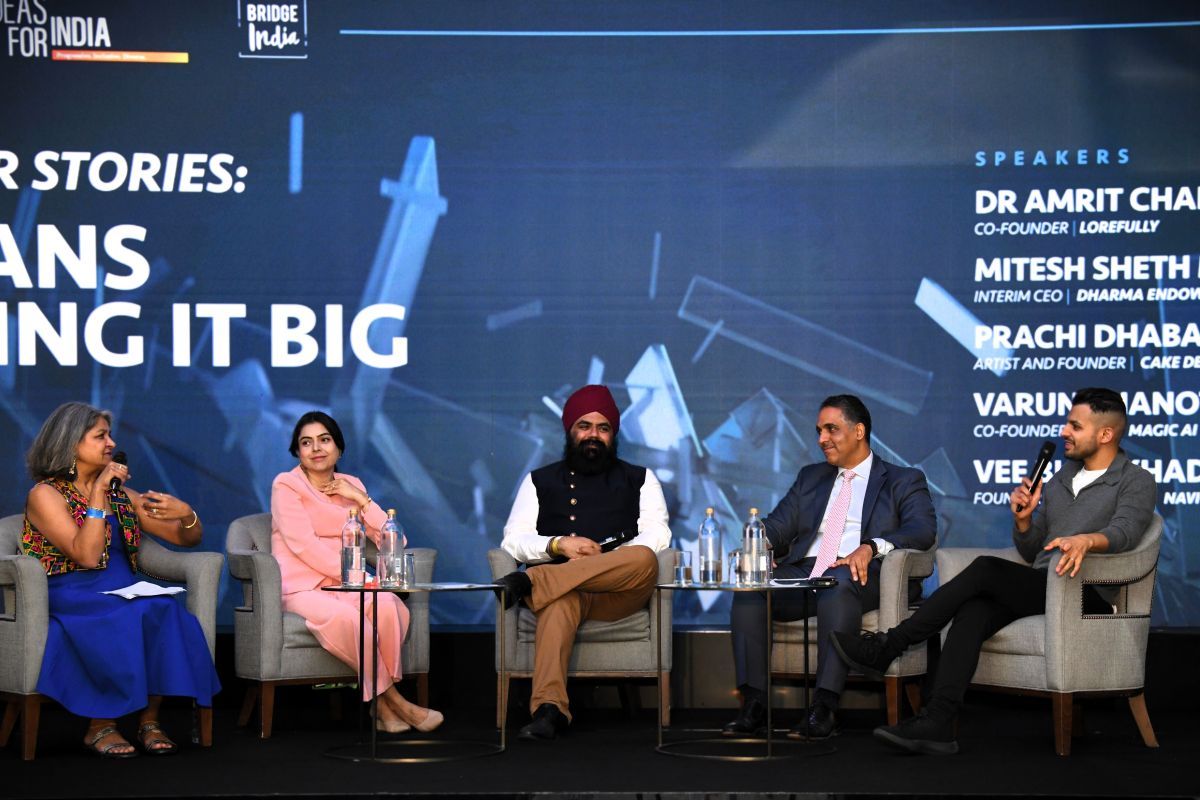
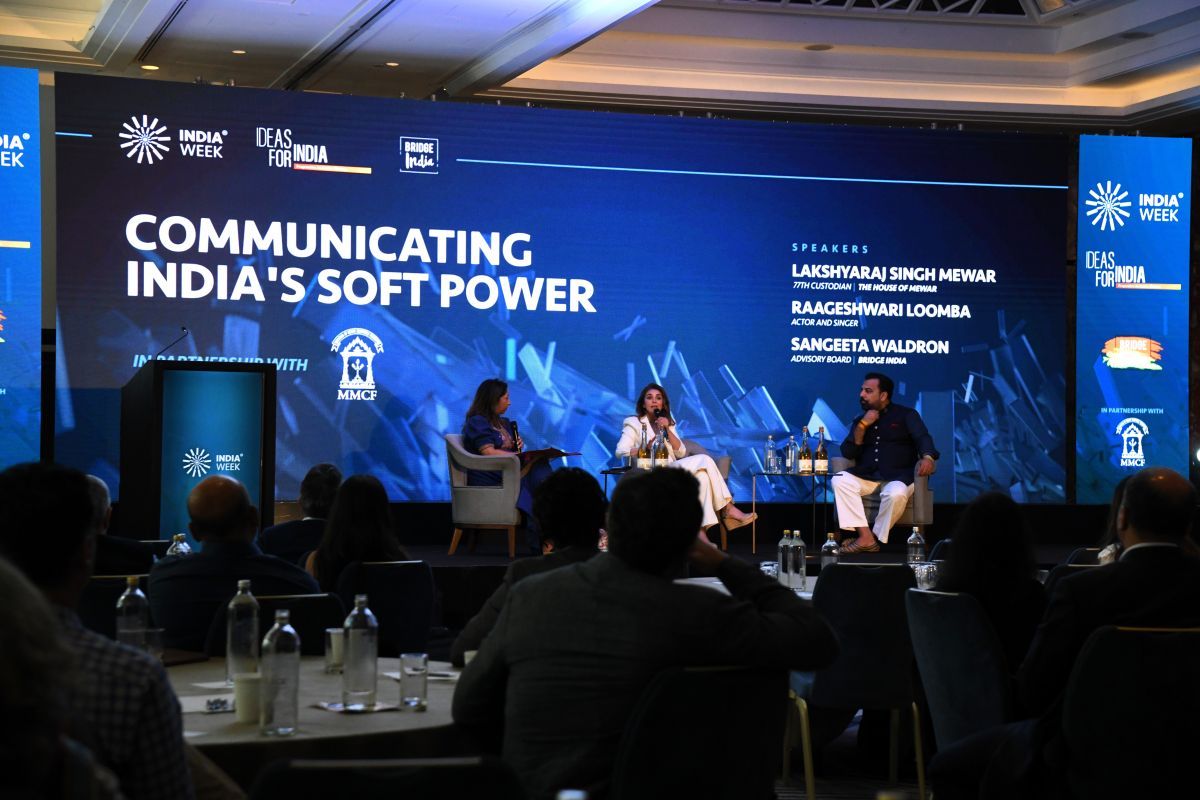
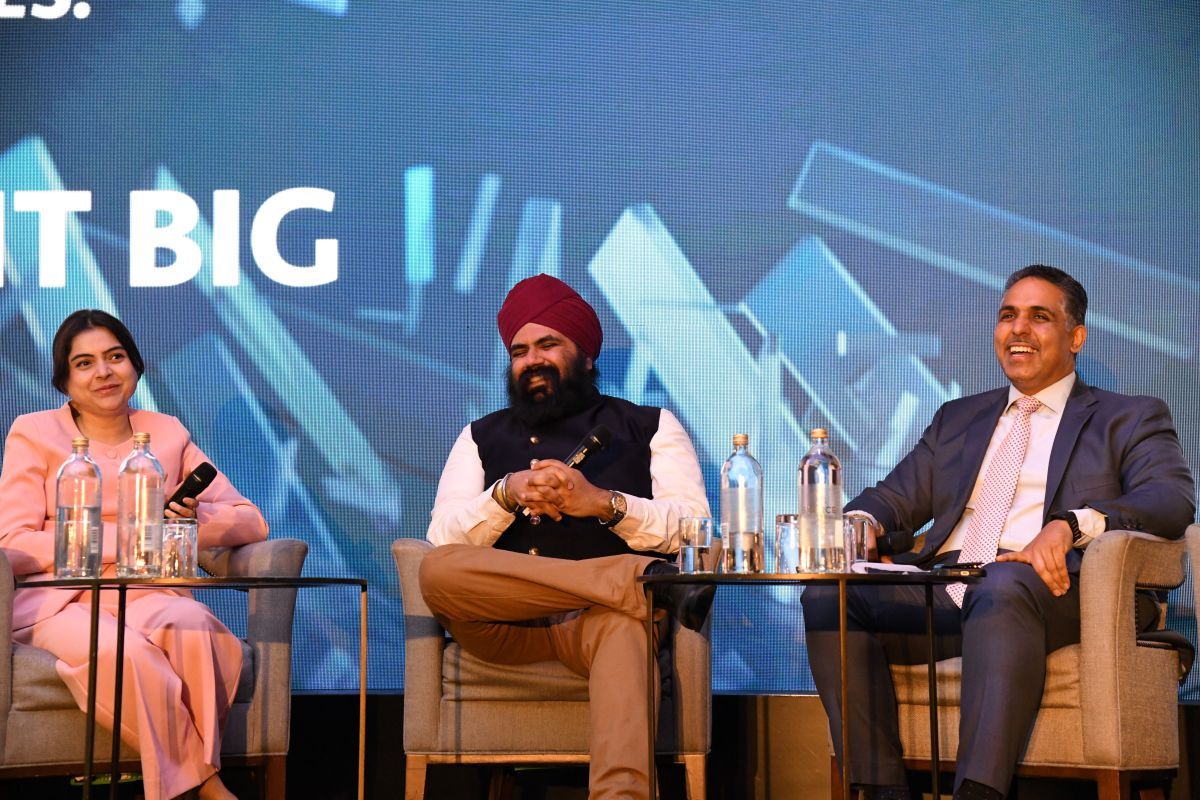
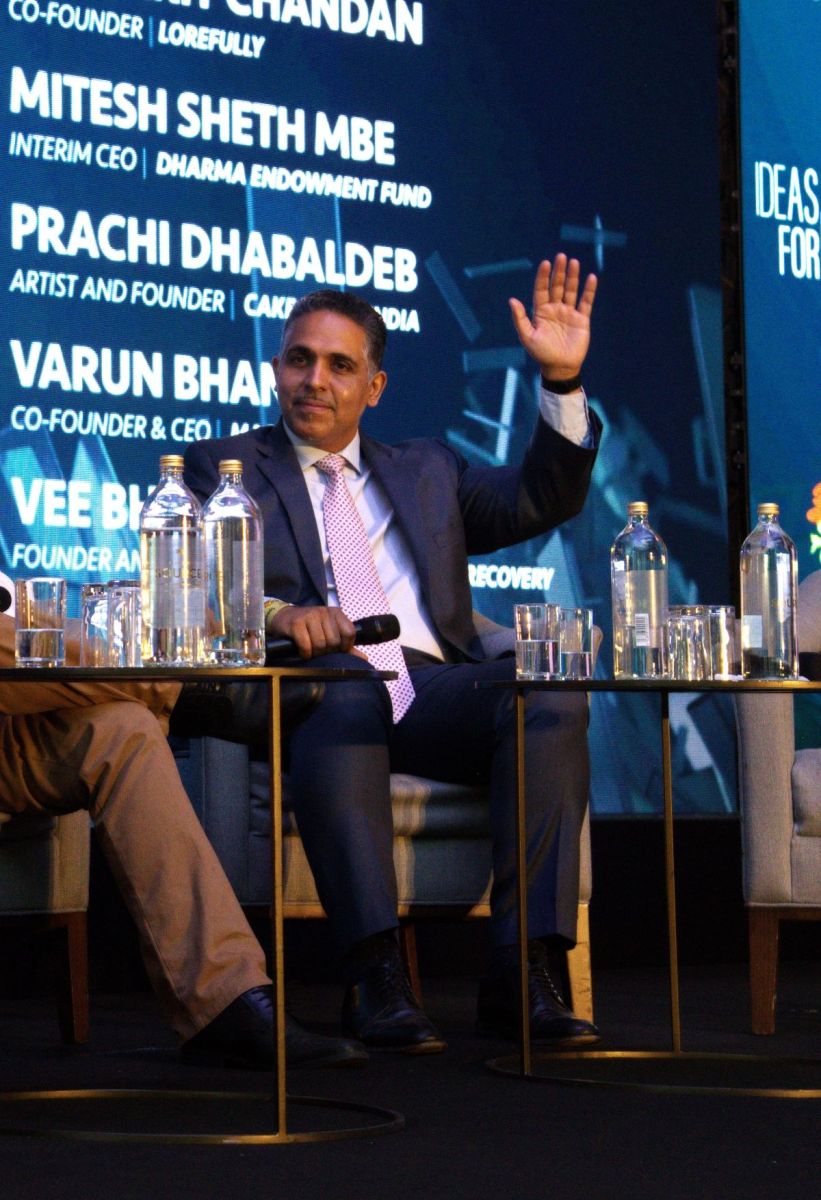
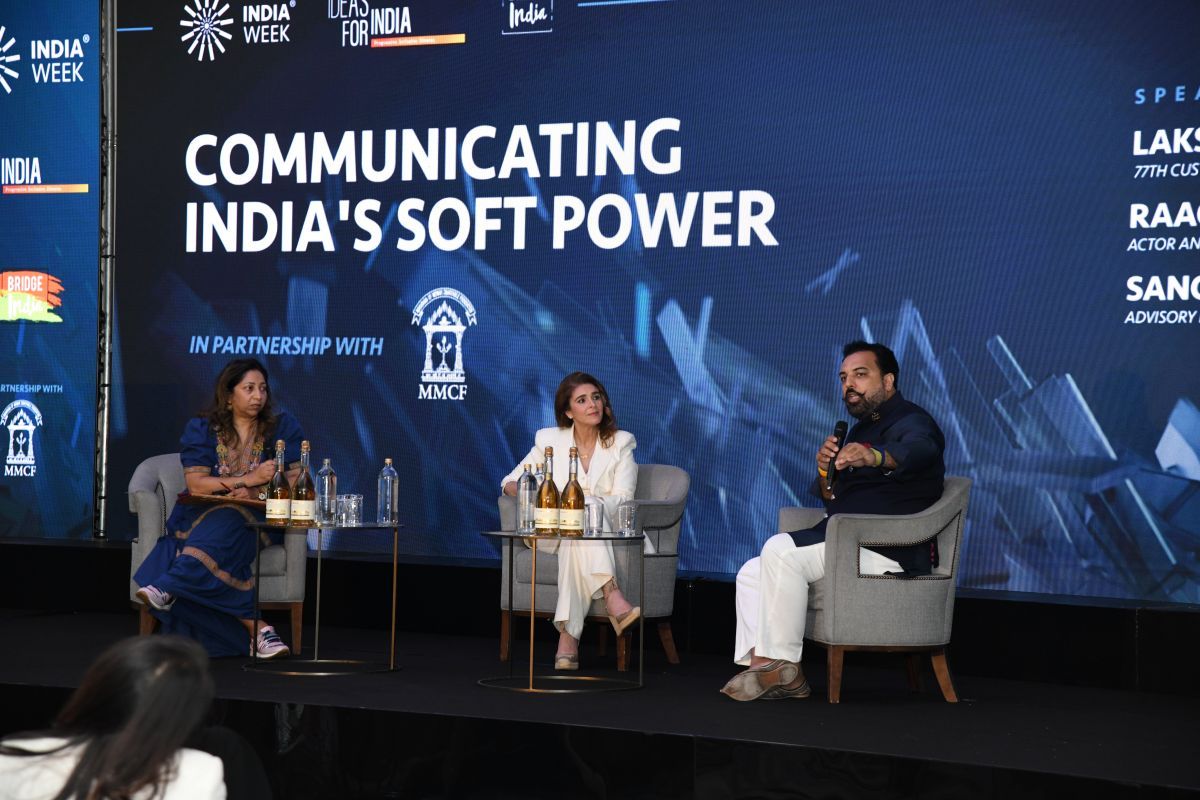
Our session on Indian founders making it big included Mitesh Sheth MBE (Interim CEO, Dharma Endowment Fund), who is spearheading an initiative to use negative screens offered by dharmic values to create a dharma-compliant investment fund. Lakshyaraj Singh Mewar, the 77th custodian of the House of Mewar princedom, joined former actress Raageshwari Loomba to discuss India’s soft power.
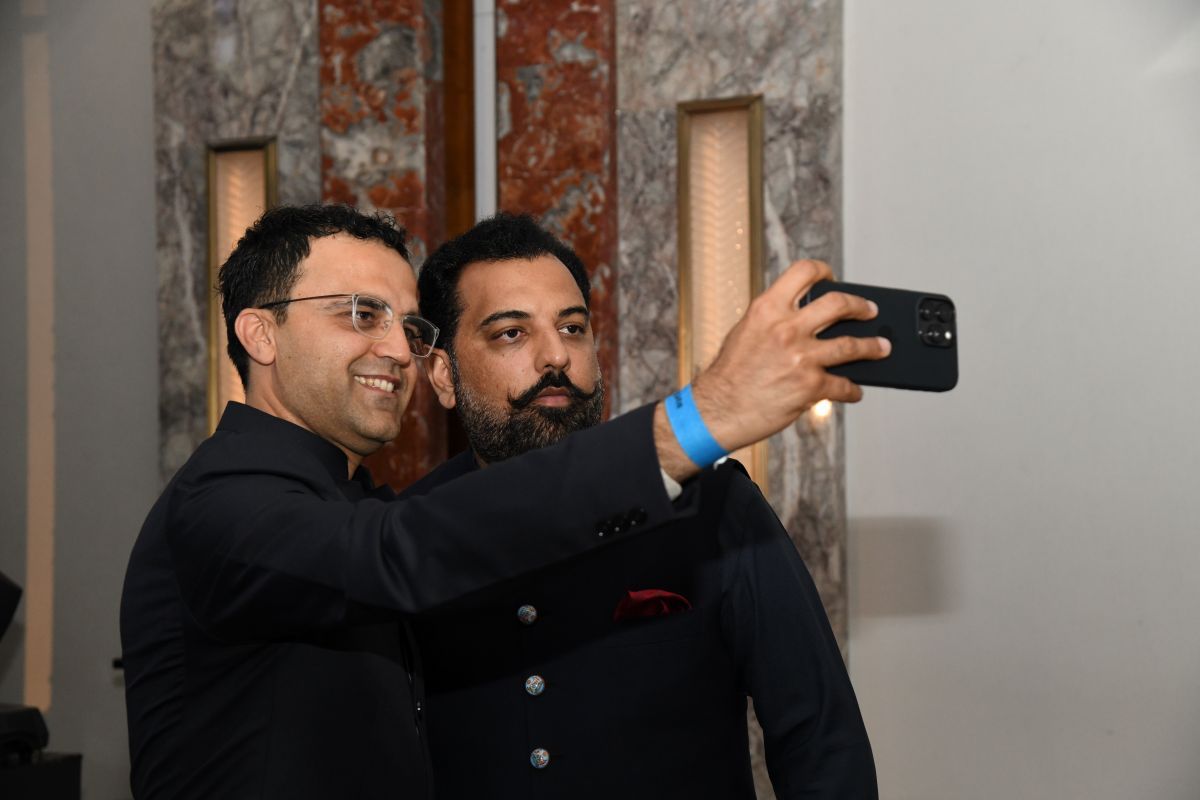
That evening saw a blockbuster black-tie dinner, with support from Indian-origin entrepreneur Sukhpal Ahluwalia, who said:
India Week plays an important role in strengthening the relationship between the UK and India, not just commercially, but culturally and entrepreneurially too. There is still far more both countries can do together, and I want to play an active role in helping to drive that forward. As I spend more time on the ground in India over the coming years, supporting stronger cross-border relationships, businesses and opportunities will become an even bigger focus for me.
The exclusive event featured over 250 guests and honoured businessman Manish Tiwari from Here&Now 365 with the Achievement in Business award, bhangra star H Dhami for Achievement in Entertainment, and Poonam Sharma from Barclays Eagle Labs for her work bringing British South Asian entrepreneurs together with the Achievement in Community Service award.
India Week® concluded the next day with blockbuster sessions featuring some of India’s leading journalists, assembled for the first time in London at private members’ club The Conduit. Organised by one of India Week’s partners, Talk Journalism, it featured India Today’s Rajdeep Sardesai, ANI’s Smita Prakash, The Hindu’s Suhasini Haidar, Indian Express’ Saurabh Dwivedi and India Today’s Kamlesh Singh in a series of candid, full-house sessions on the evolving Indian media landscape.
India Week saw more than 1,600 people from nearly a dozen countries attend nine sold-out events across London, with leading policy, journalism, business and film figures attending. This year’s series of events included several new initiatives, including in Track 2 diplomacy, facilitating global franchises coming to India in conjunction with Franchise India, and enabling export-orientated Indian businesses to find UK distributors.
Several Indian-origin filmmakers from around the world attended the first event of the week, the Film Conclave, to raise finance for their upcoming feature film projects in what is the UK’s only dedicated film co-production market.
LCCI CEO Karim Fatehi said at a joint reception that India Week was “the leading platform for UK-India trade and investment.”
Partners of India Week included global education provider with a large footprint in India Regent Group, blindness charity Operation Eyesight Universal and the Federation of Indian Export Organisations, which is part of India’s Ministry of Commerce.
Curator of India Week Pratik Dattani said:
In a difficult geopolitical reality, the role of India on the global stage is changing. India Week is the leading European non-politically aligned series of events bringing India to the world. Our conversations extend across film, literature, journalism, business and public policy.